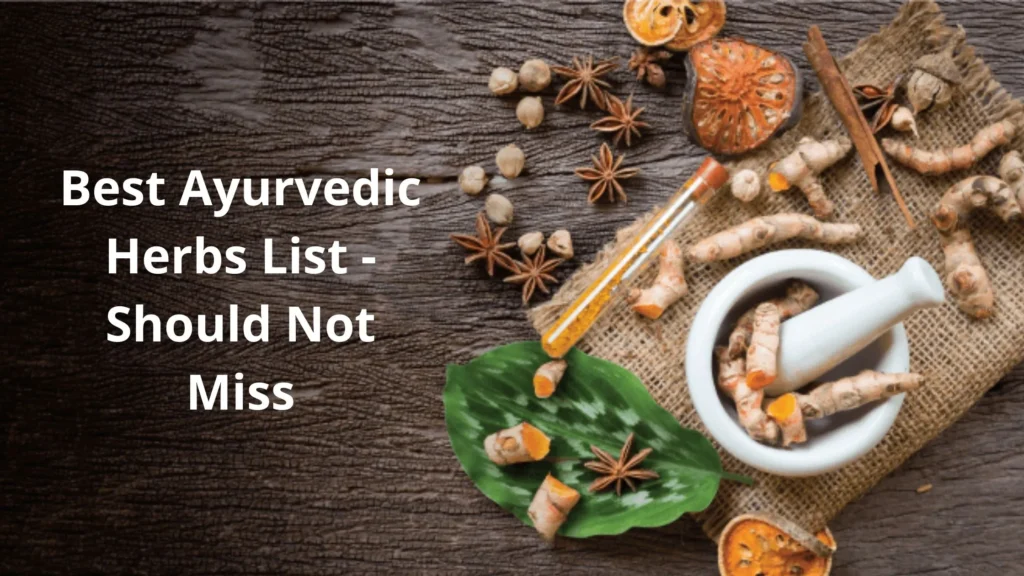
Herbs have been utilized by Ayurveda for thousands of years as natural remedies for vitality, balance, and healing. A list of ten potent Ayurvedic herbs is provided here, along with information on their historical applications and contemporary applications. (Disclaimer: before using plants medicinally, always get advice from a certified professional.)
Ashwagandha (Withania somnifera) 🧘♀️
Traditional Use: Known as a rejuvenator and adaptogen — helps the body cope with stress, supports vitality.
Benefits:
May reduce cortisol levels and stress
Enhances stamina, strength, and mental clarity
Supports immune health and sleep quality
Turmeric (Curcuma longa) ✨
Traditional Use: Purifying herb, supports circulation, skin glow, and detox.
Benefits:
Curcumin (active compound) exhibits antioxidant & anti-inflammatory effects
May support joint health, digestion, and overall immunity
Enhances skin radiance
Brahmi (Bacopa monnieri) 🧠
Traditional Use: Mental clarity, memory, mind calms, stress resilience.
Benefits:
Supports cognition, learning, memory
Helps reduce anxiety and improve concentration
Acts as a mild adaptogen
Triphala (Three‑fruit blend: Amla, Bibhitaki, Haritaki) 🍎
Traditional Use: Gentle detoxifier and digestive tonic.
Benefits:
Supports gut health, regularity, digestion
Might help cleanse, remove toxins, support liver function
Balanced formula — works on all three doshas
Giloy / Guduchi (Tinospora cordifolia) 🌱
Traditional Use: Immune support, adaptogen, balancing Pitta, tonic.
Benefits:
May boost immune resilience
Helps modulate inflammatory responses
Supports balance in various systems
Neem (Azadirachta indica)
Traditional Use: Blood purifier, skin herb, anti‑microbial.
Benefits:
Useful for skin conditions (acne, eczema)
Supports detoxification pathways
Anti-bacterial, antiviral, antifungal properties
Fenugreek (Trigonella foenum-graecum) 🌾
Traditional Use: Digestive stimulant, metabolic herb.
Benefits:
Helps with digestion, stimulates appetite
May aid in blood sugar regulation
Good for overall metabolic balance
Tulsi (Holy Basil) (Ocimum sanctum) 🌿
Traditional Use: Spiritual herb, adaptogen, respiratory support.
Benefits:
Supports respiratory health, protects against seasonal stresses
Helps with stress modulation, mental calm
Antioxidant and immune-supporting
Shatavari (Asparagus racemosus) 🌸
Traditional Use: Female tonic, reproductive health, balancing Vata & Pitta.
Benefits:
Supports female reproductive system and hormonal balance
Helps during menopause, PMS, lactation
Nourishing and cooling
Ginger (Zingiber officinale) 🔥
Traditional Use: Digestive fire (Agni) stimulant, circulatory, warming herb.
Benefits:
Stimulates digestion, relieves nausea, enhances absorption
Helps reduce inflammation and supports circulation
Useful in cold/damp conditions
Each of these ten herbs has special benefits and is a mainstay in the Ayurvedic pharmacopeia. However, keep in mind that herbs are aids, not cures. In Ayurveda, a comprehensive strategy that includes diet, lifestyle, mental equilibrium, and personalized herbal assistance is the key to true healing.